
Insight ▸ Instagram
Instagram Marketing Strategy: How to Build a Content System
Published: JUNE 19, 2026
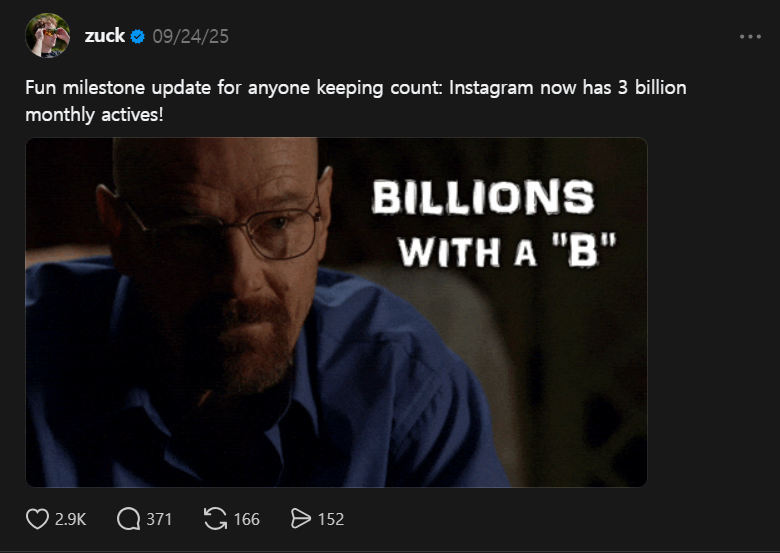
With over 3 billion monthly active users, Instagram is no longer just a social networking app. Today, the platform now reaches approximately one out of every two internet users worldwide, making it one of the most influential digital marketing channels available to businesses today.
Successful Instagram marketing requires a clear strategy that aligns audience insights, content creation, engagement, and distribution. This article explains how to build an Instagram marketing strategy that supports sustainable growth, from understanding how Instagram works to creating a repeatable content system.
How the Instagram Algorithm Works
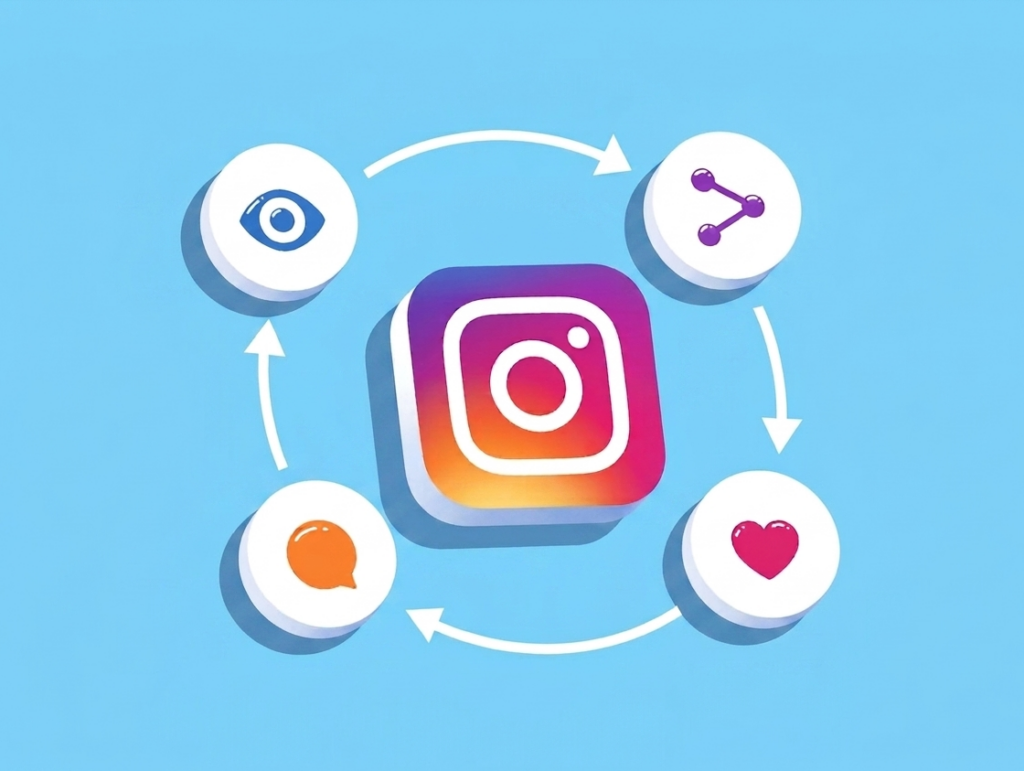
Understanding Instagram’s algorithm is essential before creating content — but the first thing marketers need to know is that there is no single algorithm. Specifically, Instagram uses multiple AI-powered ranking systems, each designed for a different part of the app: Feed, Stories, Reels, and Explore all operate independently, and each one weighs signals differently.
This distinction matters because a strategy built around one surface will not automatically work on another.
The Three Instagram Ranking Signals
Instagram head Adam Mosseri launched a public video series explaining how the platform’s ranking systems work. In the first episode, he confirmed the three signals that carry the most algorithmic weight across all surfaces
Watch Time is the most important signal across all surfaces. Instagram tracks how long someone watches your content — with particular weight on whether viewers continue past the first three seconds — and uses that data to determine how broadly to distribute it.
Sends per Reach measures how often your content is shared via DM. Mosseri highlighted this as the key signal for reaching new audiences: when someone sends a post to a friend, Instagram treats it as strong evidence that the content is worth spreading further.
Likes per Reach measures engagement rate relative to impressions. This signal matters more for existing followers than for new audience discovery, where sends carry more weight.
Mosseri also noted that weighting varies across surfaces and audience types — these three signals apply broadly, but how they are prioritized shifts depending on where content appears. The practical implication: a strategy focused only on likes is no longer aligned with how Instagram actually distributes content.
Instagram Strategy
In practice, knowing which signals drive distribution is only useful if the strategy is built around them. Therefore, a content system designed around Watch Time, Sends, and Likes per Reach gives brands a framework for deciding what to create, who to create it for, and how to measure what’s working.
A well-developed Instagram strategy helps brands align content with business goals. It also helps brands create content that resonates with their audience and performs well on the platform.
1. Define Your Goals
A successful Instagram strategy starts with clearly defining goals. Before creating content, brands should determine what they want to achieve, such as increasing brand awareness, building audience engagement, generating leads, or driving sales.
To create effective goals, brands can use the SMART goal framework. SMART goals help ensure that objectives are Specific, Measurable, Achievable, Relevant, and Time-bound. Instead of setting a broad goal such as “increase Reel views,” brands can create a more actionable goal, such as “increase average Reel views from 10,000 to 20,000 within three months.”
As a result, clear and measurable goals help marketers choose the right content approach, identify relevant KPIs, and evaluate performance more effectively. By setting well-defined objectives, brands can analyze results and determine whether their Instagram strategy is successfully achieving the desired outcomes.
2. Understand Your Target Audience
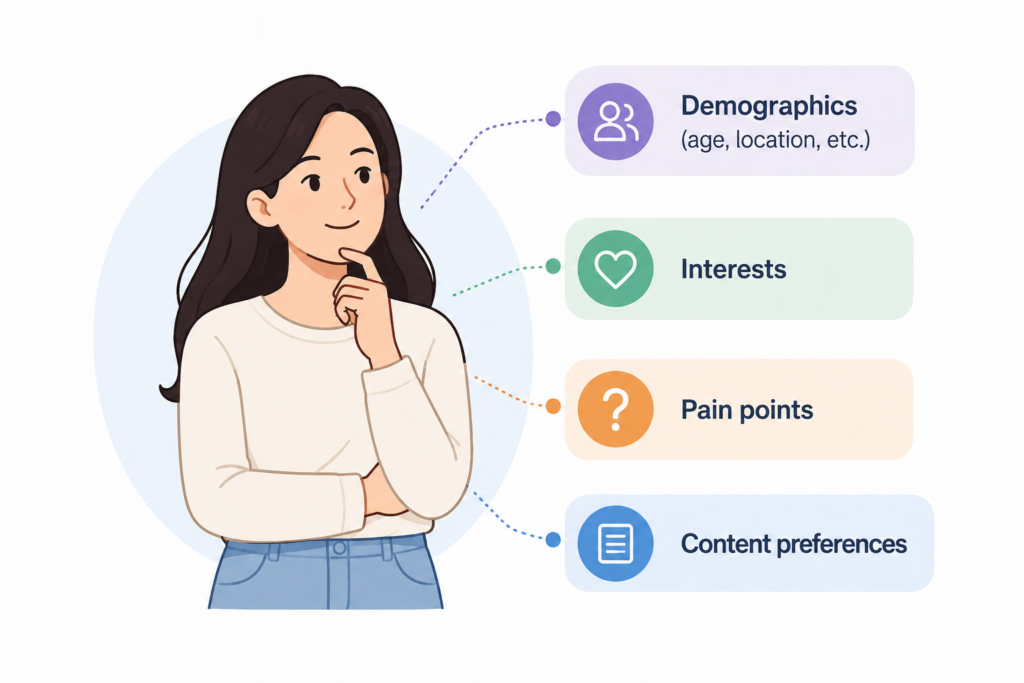
To create effective content, brands need to understand who they are creating content for. A strong Instagram strategy requires content that is tailored to the audience’s characteristics, interests, and needs.
To better understand their audience, brands can create a buyer persona, which represents an ideal customer based on key information such as: Demographics (age, location, etc.), Interests, Pain points, Content preferences
By understanding these factors, brands can develop content that is more relevant to their audience and create a clearer direction for their content strategy. A well-defined buyer persona helps marketers decide what topics to cover, what tone to use, and what type of content is most likely to engage their target audience.
3. Develop a Content Strategy
Content pillars are the main topics or themes that a brand consistently focuses on when creating content. They help brands organize their content strategy, maintain consistency, and ensure that each piece of content supports their marketing goals. Therefore, instead of creating content randomly, brands can use content pillars to define what messages they want to communicate and what value they want to provide to their audience.
According to HubSpot, common social media content pillars include Educational Content, Inspirational Content, Promotional Content, Community-Building Content, and Behind-the-Scenes Content. Each pillar serves a different purpose, allowing brands to balance providing value, building relationships, and achieving business objectives.
Educational Content
Provides useful information through tips, tutorials, and how-to content. It helps brands build credibility and encourage saves and shares. It is commonly used by industries such as education, fitness, finance, and technology to build expertise and encourage saves.
Inspirational Content
Creates emotional connections through stories, customer experiences, and brand values. It helps strengthen brand identity and relationships with followers. Lifestyle, fashion, travel, and wellness brands often use this approach to strengthen brand identity and build a stronger connection with their audience.
Promotional Content
Highlights products, services, or offers through product launches, promotions, and feature content. It supports sales and conversion goals. It is widely used in industries such as e-commerce, retail, beauty, and food to support sales and conversions.
Community-Building Content
Encourages interaction through questions, polls, and user-generated content. It helps increase engagement and build relationships with the audience. It is commonly used by communities, service-based businesses, and lifestyle brands to increase engagement.
Behind-the-Scenes Content
Shows the people and processes behind a brand through workplace culture, production, and team content. It helps build trust and make the brand more relatable. It is frequently used by creative industries, restaurants, fashion brands, and personal brands to make their businesses feel more relatable.
4. Choose Content Formats
Choosing the right format matters as much as the content itself — each Instagram format reaches audiences differently, and selecting the wrong one can limit distribution even when the content is strong.
Reels are effective for increasing reach and discoverability, helping brands attract new audiences through short-form video content.
For a deeper look at how to build a Reels-specific strategy, see Instagram Reels Strategy: High-Performing Reels.
Carousel posts and static image posts are useful for sharing educational content, showcasing products or brand stories, and encouraging saves and deeper engagement.
Stories are mainly used for community building and relationship building by enabling direct interaction through features such as polls, questions, and replies.
5. Create a Posting Strategy and Content Calendar
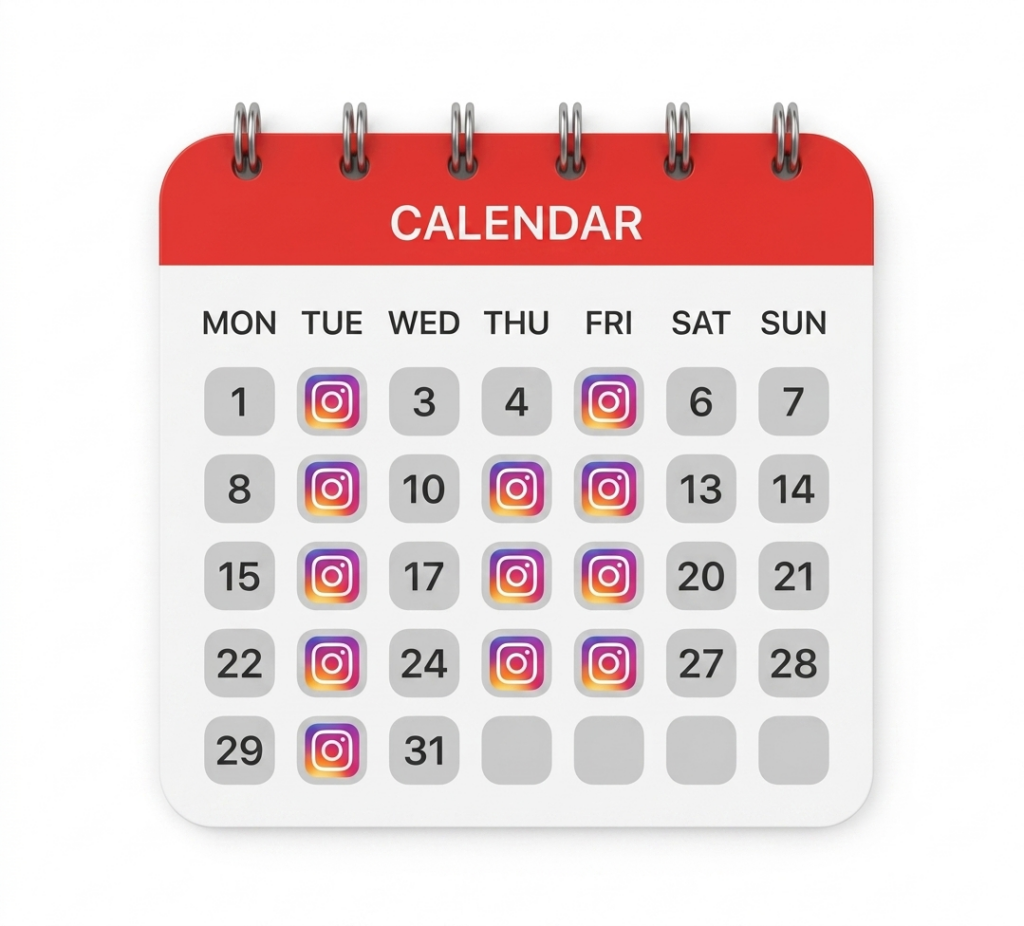
Consistent posting helps brands maintain engagement and reach their target audience effectively. Instead of posting randomly, brands should create a content calendar to plan what type of content to publish and when to share it.
Many brands use a posting frequency of around 3–5 times per week to maintain visibility while balancing content quality. However, posting frequency alone does not guarantee success; content value and audience engagement are more important factors.
A weekly content plan can include:
Reels (2–3 times per week): Focus on increasing reach and attracting new audiences through short-form video content.
Carousel posts (1–2 times per week): Share educational or valuable information that encourages saves and deeper engagement.
Stories (daily): Maintain relationships through behind-the-scenes content, polls, questions, and updates.
By creating a content calendar, brands can organize content around their goals, maintain consistency, and identify which formats perform best.
6. Build an Engagement Strategy
Instagram is not only a platform for publishing content but also a channel for building relationships with audiences. A strong engagement strategy focuses on encouraging interactions and creating meaningful conversations with followers.
Common engagement strategies include:
Responding to Comments and DMs
Actively replying to comments and direct messages helps brands build relationships with followers and shows that the brand values audience interaction.
Encouraging Conversations
Brands can increase engagement by asking questions in captions, encouraging opinions, and creating discussions around their content.
Using Interactive Features
Features such as polls, quizzes, and question stickers in Stories allow brands to encourage participation and better understand their audience.
Leveraging User-Generated Content (UGC)
Sharing customer reviews, tagged posts, and user-created content helps strengthen community relationships and build trust.
Over time, consistently applying these engagement strategies, brands can create a stronger community, increase audience loyalty, and develop deeper connections with followers.
7. Analyze and Optimize Performance
A successful Instagram strategy requires continuous analysis and optimization. Brands should regularly review key performance indicators (KPIs) to evaluate content performance and identify areas for improvement.
For example, by analyzing patterns in high-performing content, brands can understand which topics, formats, and posting strategies resonate most with their audience. Based on these insights, brands can optimize future content by adjusting their content pillars, formats, posting frequency, and engagement strategies.
Ultimately, continuous testing and improvement allow brands to create more effective content and achieve their Instagram marketing goals.
For a deeper understanding of Instagram analytics and performance analysis, read our guide on How to Analyze Instagram Content Performance.
Conclusion
Building an effective Instagram marketing strategy requires more than posting consistently. Sustainable growth comes from creating a structured content system that combines valuable content, audience engagement, and strategic distribution.
By understanding how Instagram works, developing clear content pillars, and continuously improving based on performance insights, marketers can create a repeatable framework for long-term growth.
A successful Instagram strategy is not built on chasing every trend. It is built on understanding the audience, creating meaningful content, and optimizing the system over time.